Understanding Your Consumer Rights in Poland
Explore fundamental consumer rights protected by Polish law, including product quality standards, service expectations, and your rights as a buyer…
Read MoreUnderstand the complete process for filing consumer complaints in Poland, from initial documentation to final resolution. This comprehensive guide walks you through each stage of protecting your consumer rights and ensuring your voice is heard by the appropriate authorities.
Every consumer in Poland has the fundamental right to file complaints when products or services fail to meet legal standards or contractual obligations. This right is protected under Polish consumer protection law and EU regulations. Whether you purchased a faulty product, received inadequate service, or encountered unfair trading practices, understanding your right to complain is the first critical step toward resolution.
Consumer complaints serve multiple purposes: they provide businesses with feedback to improve their practices, create official records of problems, and trigger investigations by consumer protection authorities. By filing a complaint, you not only protect your own interests but also contribute to a safer marketplace for all consumers. The Polish Office of Competition and Consumer Protection (UOKiK) oversees consumer disputes and ensures merchants comply with consumer protection regulations.
Polish law requires businesses to respond to consumer complaints within specific timeframes. Knowing these deadlines helps you track your case and escalate if necessary.

Before filing any complaint, collect all relevant documentation that supports your case. This evidence will be essential when presenting your complaint to the business or consumer protection authorities. Strong documentation significantly increases your chances of a favorable resolution.
Receipts, invoices, order confirmations, or credit card statements showing the date and amount of purchase.
Original packaging, warranty documents, user manuals, product descriptions from the merchant’s website or catalog.
Email correspondence, messages, phone call logs, or chat transcripts with the business regarding the problem.
Clear photos or videos showing the defect, damage, or problem with the product or service provided.
Professional inspection reports or repair estimates if applicable, proving the nature and extent of the problem.
The first formal step in the complaint process is addressing your grievance directly with the business. Most consumer protection regulations require you to give the merchant an opportunity to resolve the issue before escalating to authorities. This initial contact often results in satisfactory resolution without further intervention.
Send a detailed complaint letter by registered mail with return receipt. Include your personal details, description of the problem, date of purchase, reference numbers, and your requested resolution.
Call the customer service department or visit the store in person. Document the conversation with names, dates, and what was discussed. Follow up with written confirmation via email.
Use the merchant’s website contact form or customer service portal. Request email confirmation of your submission and save all correspondence for your records.
Send a professional complaint email to the customer service address. Use clear subject lines and attach supporting documents. Send to multiple addresses if necessary for confirmation.
Polish law typically gives merchants 14 days to respond to complaints. If you don’t receive a satisfactory response within this timeframe, you can escalate to consumer protection authorities.
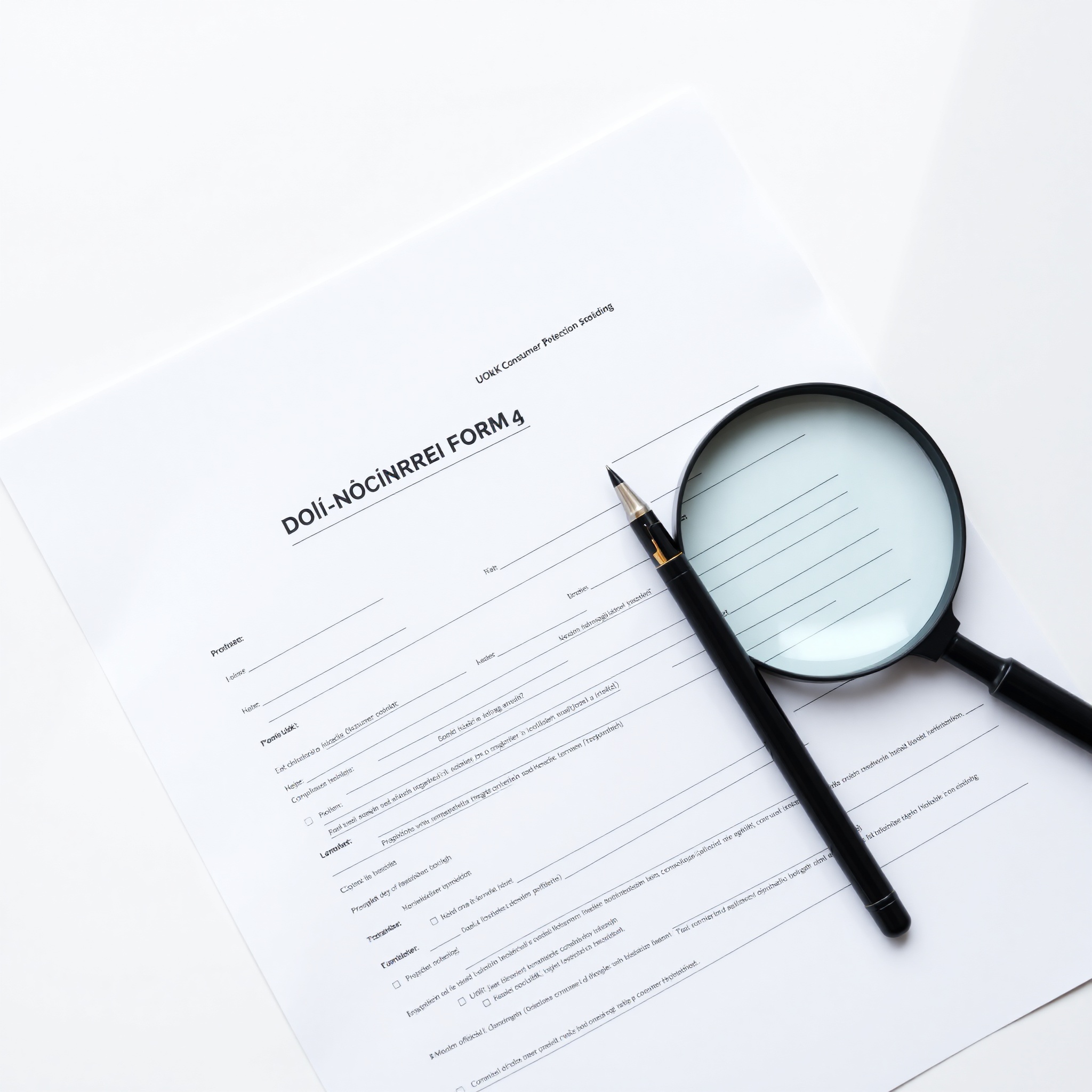
If the merchant fails to respond adequately or denies your complaint, you can file a formal complaint with the Polish Office of Competition and Consumer Protection (Urząd Ochrony Konkurencji i Konsumentów – UOKiK) or your local consumer ombudsman office. These authorities have the power to investigate violations and enforce consumer protection laws.
After filing your complaint, maintaining organized records and following up appropriately is essential. Consumer protection authorities may need additional information, and you should monitor the progress of your case throughout the resolution process.
Consumer complaints can result in various outcomes depending on the nature of the dispute and the evidence presented. Understanding what to expect helps you prepare for different scenarios and know your options if you’re unsatisfied with the initial result.
The merchant provides the requested remedy: refund, replacement, repair, or compensation. The authority may issue binding recommendations that the merchant must follow within specified timeframes.
You receive partial compensation or a compromise solution. The authority may determine that some of your claims have merit while others don’t, resulting in a partial settlement.
The authority finds insufficient evidence to support your complaint or determines the merchant acted appropriately. You can appeal this decision or pursue legal action through the courts.
If administrative remedies fail, you may file a lawsuit in consumer court (Sąd Rejonowy) or seek damages through civil proceedings for significant losses.
Filing a consumer complaint is your right and a powerful tool for protecting yourself in the marketplace. By following this step-by-step guide, you’ll navigate the complaint process effectively and maximize your chances of a favorable outcome. Remember to gather strong documentation, communicate clearly and professionally, and persist through the resolution process. Polish consumer protection authorities are equipped to investigate violations and enforce merchants’ compliance with consumer rights laws. Whether dealing with a faulty product, inadequate service, or unfair trading practices, your complaint contributes to a safer marketplace for all consumers.